Rachel Kim
Residential Security Specialist
Apr 20, 2026 7 min read
Most home break-ins aren't elaborate. A determined burglar with a few seconds and a worn-out door lock can walk right through your front door — and most of the time, they're counting on homeowners never thinking about that until it's too late. The good news is that a few low-cost, practical changes can make your home a much harder target, and that's usually enough to send a would-be intruder to look elsewhere.
As a 24/7 mobile locksmith serving Durham, NY and the surrounding Five Towns, Rockaways, and JFK corridor, we see the same vulnerabilities over and over again. This guide pulls together the most useful advice we give our customers every day — no expensive alarm systems required, just smart, actionable steps you can start on this weekend.
Start at the Front Door: Upgrade Your Locks and Strike Plates
The deadbolt on your front door is only as strong as the hardware around it. A grade-3 deadbolt — the kind that ships with most builder-grade doors — can be kicked in with a single hard strike because the strike plate is typically held in place by half-inch screws going into soft door casing, not the structural framing. The fix is straightforward: replace that strike plate with a heavy-duty, four-screw reinforced strike plate (sometimes called a door reinforcement kit) and use 3-inch screws that reach the wall stud. This one change dramatically increases kick-in resistance and costs under $30 at any hardware store.
While you're at it, look at your deadbolt grade. ANSI Grade 1 deadbolts are the residential gold standard — they're tested to withstand far more force and picking attempts than Grade 2 or Grade 3 hardware. If your current lock is more than 7–10 years old, has visible wear around the keyhole, or feels loose when you turn the key, it's worth replacing or rekeying. Rekeying (changing the internal pins so old keys no longer work) is a fast, affordable service and a smart move any time you move into a new home or lose a key.
Don't Overlook Side Doors, Sliding Doors, and Windows
Front doors get all the attention, but burglars often go around back precisely because they know that's where security gets lazy. Sliding glass doors are a classic weak point — many can be lifted right off their tracks, or the factory latch can be defeated quickly. A simple bar or dowel rod laid in the bottom track prevents the door from being forced open even if the latch is compromised. For added security, add a sliding door pin lock or a secondary surface bolt at the top of the door frame.
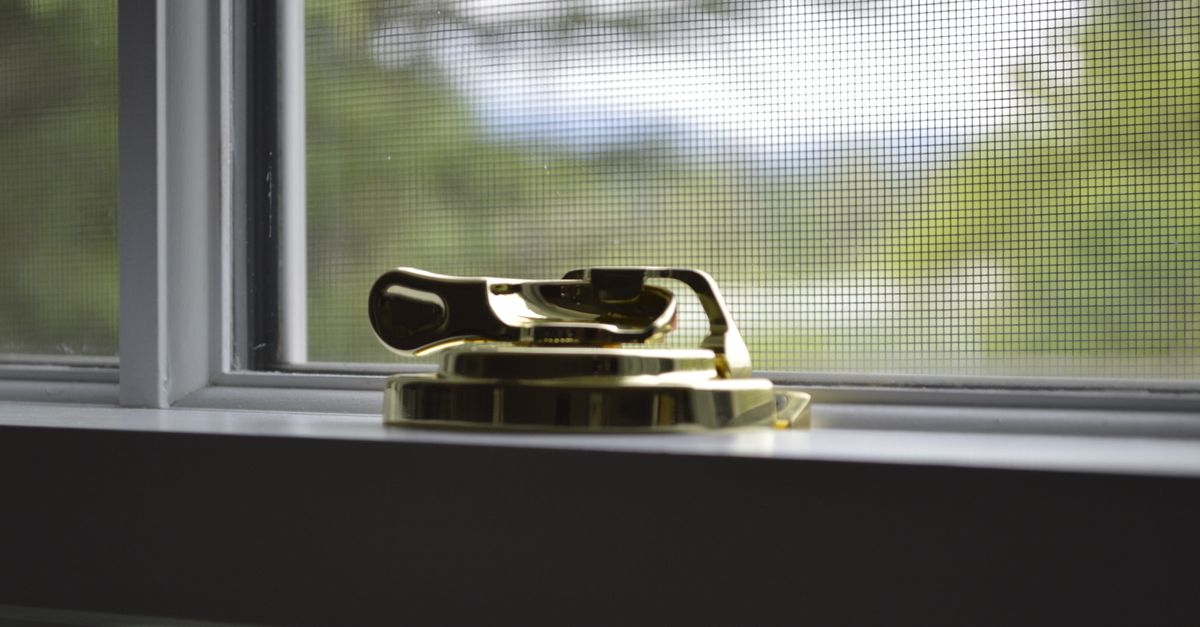
First-floor windows deserve the same attention. Window key locks or sash locks are inexpensive and can be installed in minutes. You can also drill a downward-angled hole through the inner sash and into the outer sash and drop a sturdy nail or eyebolt pin through it — a zero-cost trick that locks a double-hung window in the closed or partially-open position. For any door with a large glass panel within 40 inches of the lock, consider upgrading to a double-cylinder deadbolt (one that requires a key from both sides) — just keep a key nearby inside for fire safety.
Lighting, Landscaping, and the 'Visibility' Layer of Security
Darkness and cover are a burglar's best friends. Motion-activated floodlights around entry points, the driveway, and any side gates are one of the highest-ROI security upgrades you can make. Modern LED motion lights cost as little as $20–$40, install in under an hour, and have been shown to deter opportunistic crime simply by removing the cloak of darkness. Position them so they illuminate faces and movement, not just the ground.
Landscaping matters more than most homeowners realize. Tall hedges and overgrown shrubs directly in front of windows or near entry doors create hiding spots that work in a burglar's favor. Keep plantings near the house trimmed low — under window height — or choose thorny varieties like barberry or hawthorn that discourage anyone from crouching in them. In the Five Towns and South Shore communities, where many homes sit on smaller lots with close neighbors, good lighting and clear sightlines are practical, cost-effective deterrents that don't require any ongoing subscription.
Key Control: Who Has a Copy of Your Key?
Key control is one of the most overlooked aspects of home security. Think about how many copies of your house key exist: former tenants, previous owners, contractors, housekeepers, a neighbor you trusted years ago. Every one of those is a potential vulnerability. Rekeying your locks when you move in — or after any change in who has access — is a simple, affordable way to get a clean slate. High-security keys with restricted duplication (like Medeco or Mul-T-Lock systems) take this further by ensuring copies can't be made at a hardware store kiosk without your authorization.
Also resist the urge to hide a spare key outside. Fake rocks, under doormats, above the door frame — experienced burglars know every hiding spot. A better option is a combination lockbox mounted securely to the wall (the kind real estate agents use), or simply leaving a spare with a trusted neighbor rather than on your property.
Build Habits That Reinforce Your Physical Security
The best hardware in the world doesn't help if the door is unlocked. Studies consistently show that a meaningful portion of residential break-ins involve no forced entry at all — the burglar simply tried the handle. Build the habit of locking every door every time, including interior garage doors, which are a frequently missed entry point. A door from your attached garage into your home should have a solid-core door and a proper deadbolt, not just a passage knob.
A few other habits worth building: don't advertise extended vacations on social media (especially true if your profiles are public); pause your mail and deliveries so packages don't pile up; use smart plugs or light timers to vary indoor lighting when you're away; and consider joining or starting a neighborhood watch group — in close-knit South Shore communities like Valley Stream, Lynbrook, or along the Rockaway Peninsula, neighbors watching out for each other remains one of the most effective deterrents around. Security isn't just hardware; it's a mindset.
Frequently asked questions
How do I know if I should rekey or fully replace my locks?+
Rekeying is the right call when your lock is in good working condition but you simply want to change who has key access — such as after moving in, after a breakup, or after losing a key. Full replacement makes more sense when the lock is damaged, worn, outdated (Grade 2 or Grade 3), or when you want to upgrade to a higher-security system. A locksmith can assess your existing hardware quickly and give you an honest recommendation on the spot.
What factors affect the cost of a locksmith visit for home security upgrades?+
Pricing for lock upgrades typically depends on the type and grade of hardware you choose, how many locks are being serviced, the complexity of installation (a reinforced strike plate swap is simpler than installing a smart lock on a non-standard door), and whether any existing damage needs to be repaired first. The best approach is to have a locksmith evaluate your doors in person so you get an accurate quote for your specific situation rather than a ballpark number that may not reflect your home.
Are smart locks actually more secure than traditional deadbolts?+
Smart locks offer real convenience and some security benefits — like audit trails, remote locking, and the ability to grant temporary access without cutting keys — but they're not automatically more secure than a quality traditional deadbolt. A smart lock mounted on a weak door frame with a cheap strike plate is still vulnerable to a kick-in. Physical security fundamentals (solid door, reinforced frame, good-grade hardware) matter first; smart features are a useful layer on top of that, not a replacement for it.
What should I do if I'm locked out late at night in the Durham or Five Towns area?+
Don't try to force entry yourself — it's a common cause of damaged door frames and lock cylinders that end up costing more to repair. Durham Pro Locksmith is available 24 hours a day, 7 days a week, including nights, weekends, and holidays. We're mobile and serve the Durham, Five Towns, Rockaways, and JFK corridor area, so we can come to you. One call to (516) 346-5505 and we'll get you back inside safely and quickly.