Rachel Kim
Residential Security Specialist
Jun 1, 2026 8 min read
Whether you're replacing an old lock after moving into a new home or thinking about upgrading your front door security, the sheer variety of lock types available today can feel overwhelming. Deadbolts, smart locks, knob locks, mortise locks — each one works differently and fits different situations. Knowing how they compare can save you money, frustration, and a real security headache down the road.
At Durham Pro Locksmith, we service homes, apartments, and vehicles across the Five Towns, Rockaways, and JFK corridor around the clock. We see every type of lock in every condition, and we get asked constantly: 'What's actually the best lock for my door?' This guide gives you a straight, practical answer — no fluff, just what you need to make a smart decision.
Deadbolts: Still the Gold Standard for Door Security
A deadbolt is the most widely recommended lock for exterior residential doors, and for good reason. Unlike spring-bolt locks that can sometimes be pushed back with a credit card, a deadbolt extends a solid steel bolt into the door frame and only retracts when you turn a key or thumb-turn — there's no spring mechanism to defeat. Single-cylinder deadbolts (key outside, thumb-turn inside) are the most common. Double-cylinder deadbolts require a key on both sides, which adds security where glass panels are nearby but creates an exit hazard in an emergency, so think carefully before installing one.
What makes a deadbolt truly effective isn't just the bolt itself — it's the full installation. A Grade 1 ANSI-rated deadbolt with a reinforced strike plate, three-inch screws anchored into the door's structural framing, and a solid wood or metal door makes forced entry genuinely difficult. We regularly see doors in the Rockaways and Five Towns where the deadbolt is fine but the strike plate is held in with half-inch screws — one hard kick and it gives. The lock is only as strong as its weakest point.
Knob Locks and Lever Handle Locks: Convenient but Limited
Knob locks are those round, twistable locks built into the door knob itself. You'll find them on nearly every interior door and, unfortunately, on quite a few exterior doors where they really shouldn't be the primary security measure. The locking mechanism sits inside the knob, which means it can be broken off or bypassed with basic tools. They're fine for a bedroom or bathroom, but if a knob lock is the only thing securing your back door, that's a vulnerability worth fixing today.
Lever handle locks work on the same principle but are shaped as a horizontal bar rather than a round knob — they're common in commercial spaces and ADA-accessible buildings because they're easier to operate. Like knob locks, they should be paired with a deadbolt on any exterior door. One practical note: if you rent a home in the Five Towns area, check whether your landlord has installed a secondary deadbolt above the knob lock. Many older rental properties haven't been updated, and it's worth raising with your landlord or calling a locksmith to assess what's there.
Mortise Locks: Robust, Old-School, and Worth Understanding
Mortise locks are installed inside a pocket (the 'mortise') cut into the edge of the door, rather than sitting in a cylindrical hole drilled through the face. They're more common in older urban housing stock, apartment buildings, and commercial properties — exactly the kind of architecture you'll find throughout the South Shore and Rockaway communities. A mortise lock combines a latch bolt and a deadbolt in a single unit, which makes them inherently strong and hard to defeat when properly installed.
The main maintenance consideration with mortise locks is that the mechanism is more complex, so wear over years of heavy use can cause problems — a stiff key turn, a latch that doesn't retract cleanly, or a cylinder that's become pick-vulnerable because it's worn smooth. If you have a mortise lock that's more than 15 years old and has never been serviced, a locksmith can rekey or replace the cylinder and lubricate the mechanism without tearing out the whole lock body, which saves the door frame and saves you money.
Smart Locks: Real Convenience, Real Tradeoffs
Smart locks let you lock and unlock your door via a keypad, smartphone app, or both — and many integrate with home automation systems like Google Home, Amazon Alexa, or Apple HomeKit. The convenience is genuine: you can let in a dog-walker, grant temporary access to a family member visiting from out of town, and get an alert every time your door is unlocked. For busy households near JFK where schedules are irregular and people come and go at odd hours, that kind of access control is genuinely useful.
That said, smart locks introduce considerations that traditional locks don't have. They run on batteries, which means if you forget to replace them and you're locked out at 2 a.m., you have a problem. Most good smart locks retain a physical key cylinder as a backup — make sure yours does. They're also connected devices, so like any connected device they have software that needs updating. Choose brands with a strong security track record (Schlage, Yale, and Kwikset's Halo line are well-regarded), enable two-factor authentication on any associated app, and change the access code when household members or regular visitors change. A smart lock is not more secure than a Grade 1 deadbolt by default — it's differently secure, and only as reliable as the person managing it.
Padlocks, Cam Locks, and Vehicle Locks: The Rest of the Picture
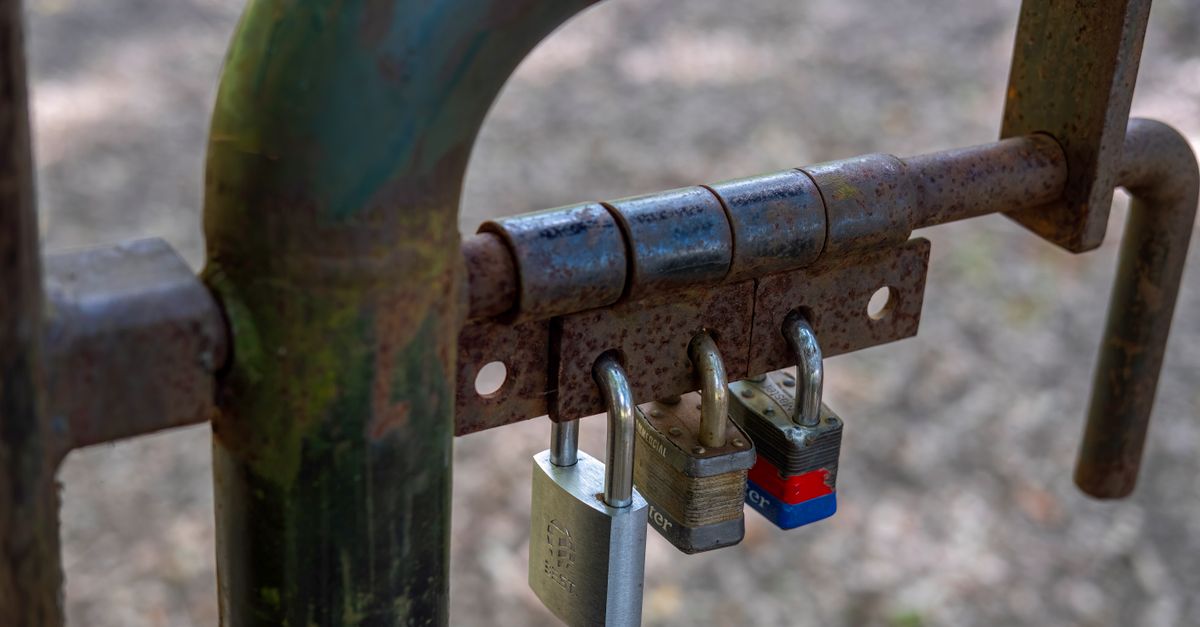
Not every lock is on a front door. Padlocks secure sheds, gates, and storage units — and the quality range is enormous. A cheap padlock can be cut in seconds with bolt cutters; a hardened steel shackle padlock with a shrouded shackle (where the curved bar is mostly enclosed) dramatically raises the difficulty. For anything you genuinely care about — a backyard shed, a gate to a side yard — go with a reputable brand rated for outdoor use with a shackle diameter of at least 9–10mm. Cam locks are the small circular locks you see on file cabinets, mailboxes, and some interior doors; they're low-security by design and easy to pick or drill, so don't rely on them for anything sensitive.
Vehicle locks are their own world. Modern car locks are electronic and tied into the ignition and key fob system — a locksmith working on a car near JFK or anywhere in Nassau and Rockaway County needs to handle transponder programming, not just cut a physical key. If you're locked out of your car, have a broken key in the ignition, or need a replacement key fob programmed, the process is different from a house lockout and it's worth calling a mobile locksmith who carries the programming equipment on the truck rather than waiting for a dealership appointment.
Frequently asked questions
How do I know what grade of deadbolt to buy?+
The ANSI/BHMA grading system rates residential locks from Grade 3 (basic) to Grade 1 (highest residential security). For any exterior door on a home or apartment, aim for Grade 1. These locks are tested for hundreds of thousands of cycles, resistance to forced entry, and pick resistance. Most hardware stores stock all three grades — the packaging will clearly state the grade. Brands like Schlage, Medeco, and Mul-T-Lock offer strong Grade 1 options at various price points.
Can a locksmith rekey my lock instead of replacing it entirely?+
Yes, and rekeying is often the smarter move. Rekeying changes the internal pin configuration of the lock cylinder so that old keys no longer work — the hardware itself stays in place. It's faster and typically less expensive than a full lock replacement. If you've just moved into a home, bought a rental property, or lost track of who has copies of your key, rekeying gives you a clean slate without the cost of new hardware. If the lock is old, worn, or low-grade, replacement is the better call — a locksmith can tell you quickly which situation you're in.
What factors affect the cost of a lock replacement or installation?+
Several things drive pricing: the type and grade of the lock (a basic knob lock costs far less than a Grade 1 smart deadbolt), the condition of the existing door hardware and frame (if the strike plate needs reinforcement or the door needs to be re-bored, that's additional work), whether you supply the lock yourself or have the locksmith provide it, and timing (emergency after-hours calls carry different rates than scheduled daytime service). The best approach is to describe your door and lock situation when you call — a reputable locksmith will give you a clear estimate before any work begins.
Is it safe to install a smart lock myself, or should I call a locksmith?+
Many smart locks are designed for DIY installation and include detailed instructions — if the existing door prep (the bore hole and backset measurement) matches the new lock's requirements, a handy homeowner can often handle it. The complications come when the door prep doesn't match, when the door frame needs a new strike plate installed correctly, or when you want the smart lock to work alongside an existing deadbolt. A locksmith can also confirm the installation is secure — a smart lock mounted in a loose or poorly framed door gives you app control over a vulnerable point, which defeats the purpose.